Fireworks Safety Guide for North Georgia Families: How to Enjoy Fireworks Responsibly
Fireworks are one of the best parts of a celebration. Whether it is the Fourth of July, New Year’s Eve, a family reunion, a wedding weekend, a lake gathering, or a summer night in the mountains, fireworks bring people together. They create excitement, beauty, laughter, and memories that last long after the smoke clears.
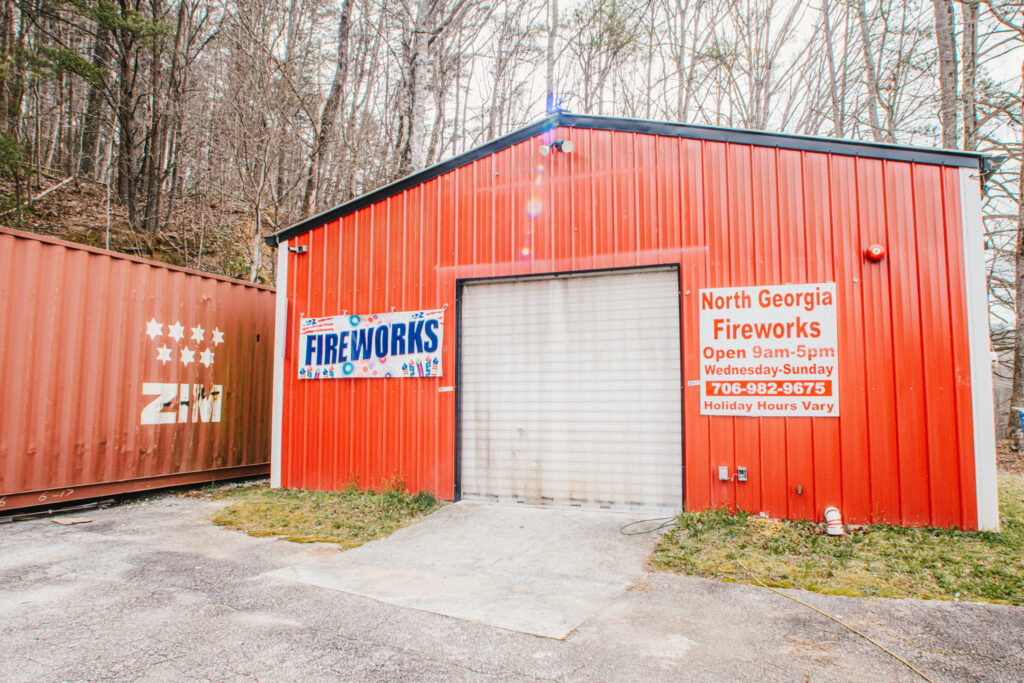
At North GA Fireworks in Clayton, Georgia, we love helping customers choose fireworks that match their event, their budget, and the kind of show they want to create. But we also know that every great fireworks display starts with safety. Fireworks are powerful products. They are designed to create heat, sparks, sound, color, lift, and motion. That is exactly what makes them exciting, but it is also why they must be handled with care, patience, and respect.
This guide answers some of the most common fireworks safety questions we hear from customers across Rabun County, Habersham County, White County, Lake Burton, Lake Rabun, Clayton, Dillard, Helen, Hiawassee, Northeast Georgia, and Western North Carolina. It is written to help families, homeowners, lake visitors, and event hosts think through their celebration before the first fuse is ever lit.
Before we go further, please read this important disclaimer.
Important Fireworks Safety Disclaimer
This article is for general informational purposes only. It is not legal advice, professional safety training, fire prevention certification, or a substitute for reading and following the instructions on each fireworks package. Every firework is different. Before using any firework, always read the package warning, safety label, setup instructions, performance description, recommended distance, and manufacturer guidance.
North GA Fireworks is not responsible for how customers, readers, or any other individuals transport, store, handle, ignite, use, misuse, modify, dispose of, or supervise fireworks after purchase. Fireworks users are solely responsible for following all package warnings, manufacturer instructions, local laws, weather advisories, fire restrictions, property rules, and common-sense safety practices. If you are unsure whether conditions are safe, do not light fireworks. If there is an emergency, call 911 immediately.
How Far Away Should Spectators Stand From Fireworks?
One of the most important questions to ask before lighting fireworks is where your spectators will stand. Many people focus on the launch area, but the viewing area is just as important. Spectators should always be positioned far enough away that they are protected from sparks, smoke, falling debris, unexpected movement, and noise.
The right distance depends on the specific firework being used. A small fountain does not require the same space as a large aerial repeater or mortar kit. This is why the first rule is always to read the package warning and follow the manufacturer’s recommended safety distance. The label is written for that specific item, and it should be treated as the primary guide.
As a general rule, spectators should never stand close to the firework, crowd around it, lean over it, or walk toward it after it has been lit. Children should be kept well away from the firing area, and adults should create a clear boundary before the show begins. If you are hosting a backyard display, choose a viewing location before dark, explain the boundary to guests, and make sure everyone understands that the launch area is off limits.
In North Georgia, many properties have slopes, trees, gravel driveways, wooded edges, porches, decks, docks, and uneven ground. These features can make distance harder to judge after dark. It is better to be generous with space than to cut it close. If the area feels tight, choose smaller fireworks, ground effects, fountains, or items designed for a smaller viewing area.
A safe fireworks setup should include a clear launch zone, a clear spectator zone, and a clear path for the person lighting the firework to move away quickly. Nobody should be standing in front of the firework, beside it, or directly over it. Once the fuse is lit, the person lighting it should immediately move back to the safe viewing area.
What Should I Do If a Firework Does Not Go Off?
A firework that does not go off is often called a “dud,” and it should be treated with extreme caution. The most important rule is simple: never try to relight it.
If a fuse burns but the firework does not perform, do not walk up to it right away. Do not pick it up. Do not look into the tube. Do not lean over it. Do not shake it. Do not try to repair it. Do not place it back into a launch position and try again. A delayed ignition can happen, and a firework that appears inactive may still be dangerous.
The safest approach is to wait. Give the firework plenty of time before anyone approaches it. Keep spectators away from the area. After waiting, an adult should carefully soak the firework with water according to safety guidance and package instructions. Once it has been thoroughly soaked, it should be handled carefully and disposed of properly.
This is one reason it is important to have water nearby before lighting begins. A hose, bucket of water, or other fire-suppression option should already be in place, not something you look for after a problem happens.
A dud can be frustrating, especially during a celebration, but patience is essential. Do not let excitement, embarrassment, or impatience cause someone to make a dangerous choice. One missed firework is not worth an injury.
How Do I Safely Light a Mortar?
Mortars are popular because they create big aerial effects, bright bursts, and a more dramatic show. They are also powerful fireworks that require careful setup and attention. If you are new to mortars, take time to understand exactly how your product works before using it.
Start by reading the full package instructions. Mortar kits usually include shells and a launch tube. The tube must be placed on a hard, flat, stable surface. It should not be placed on a wobbly table, loose gravel, a steep slope, a dock edge, a vehicle, or any surface where it could tip over. Stability is one of the most important parts of mortar safety.
Make sure the launch tube is facing straight up and is not angled toward people, homes, trees, vehicles, boats, docks, barns, or other structures. A mortar should never be held in the hand. It should never be placed inside another object unless the manufacturer specifically designed it that way. It should never be modified.
Only one shell should be loaded and fired according to the product instructions. Make sure the shell is placed into the tube correctly, with the fuse accessible as directed by the manufacturer. Never force a shell into a tube. Never use a damaged tube. Never use a tube from another product unless the instructions clearly allow it.
When lighting the fuse, the person lighting the mortar should keep their body away from the top of the tube. Do not place your face, head, hand, or arm over the tube. Light the fuse at arm’s length if possible, then move away immediately. Do not wait beside the tube to see what happens. Do not allow anyone else near the firing area.
If the mortar does not fire, treat it as a dud. Do not look into the tube. Do not attempt to relight it. Wait, keep others away, and follow safe soaking and disposal practices.
Mortars can create beautiful effects, but they are best used in wide open areas with plenty of clearance. If you do not have enough space, choose a smaller firework that better fits your property.
How Do I Store Fireworks Safely?
Safe fireworks use begins before the celebration. Storage matters. Fireworks should be stored in a cool, dry location away from heat, flame, sparks, moisture, children, pets, and anything that could accidentally ignite them.
Do not leave fireworks in direct sunlight for long periods. Do not store them near grills, fire pits, heaters, electrical equipment, lawn tools, gasoline, propane, paint thinner, or other flammable materials. Do not store fireworks in a damp basement, wet garage, or anywhere they may absorb moisture. Moisture can affect performance and may make fireworks unpredictable.
Keep fireworks in their original packaging whenever possible. The original packaging includes important warnings, instructions, product names, and safety information. If you remove fireworks from the package, it becomes easier to confuse one item with another or forget how it is supposed to be used.
Store fireworks where children cannot access them. Even if a child understands that fireworks are not toys, curiosity can lead to unsafe handling. Sparklers, fountains, firecrackers, aerial items, and novelty fireworks should all be treated as adult-use products unless the manufacturer’s instructions say otherwise and adult supervision is present.
If you are transporting fireworks to a lake house, cabin, campsite, or family gathering, keep them secure and dry during the trip. Do not place heavy objects on top of them. Do not toss them around. Do not smoke near them. Once you arrive, move them to a safe storage area until it is time for the display.
Can Fireworks Start Wildfires?
Yes. Fireworks can start wildfires, brush fires, grass fires, structure fires, and debris fires if they are used carelessly or during unsafe conditions. This is especially important in North Georgia, where many homes, cabins, lake houses, and mountain properties are surrounded by trees, leaves, pine straw, dry grass, and wooded slopes.
Aerial fireworks produce sparks and falling debris. Ground fireworks can throw sparks outward. Even spent fireworks can remain hot for a period of time after they finish. If sparks land in dry vegetation, mulch, leaves, or pine straw, a fire can start quickly.
Before lighting fireworks, look at the area around you. Is the grass dry? Is there pine straw nearby? Are there leaves on the ground? Are you close to woods? Is there wind? Has the area gone several days or weeks without rain? Are local authorities warning about fire danger? These questions matter.
Wind is especially important. Even a firework that performs correctly can send sparks or debris farther than expected when wind is present. If the wind is strong or unpredictable, postpone the show.
You should also be aware of local burn bans, fire weather warnings, drought conditions, and restrictions from county or state officials. If fire danger is elevated, do not light fireworks. A celebration can be rescheduled. A wildfire can damage homes, land, wildlife habitat, and entire communities.
North Georgia is beautiful because of its forests, mountains, lakes, farms, and open spaces. Responsible fireworks use helps protect that beauty.
How Do I Dispose of Unused Fireworks?
Unused fireworks should be handled carefully. If the firework is truly unused, still in good condition, dry, and stored properly, you may be able to keep it for a future celebration according to manufacturer guidance and local rules. Store it in a cool, dry, secure location away from children, pets, heat, flame, and moisture.
If you do not want to keep unused fireworks, do not simply throw them into a trash can while they are still active products. Follow the package instructions for disposal. Many safety guidelines recommend soaking fireworks thoroughly with water before disposal, especially if the item has been partially used, damaged, exposed to moisture, or involved in a failed ignition.
Spent fireworks should also be soaked before being placed in the trash. A firework may look finished but still contain heat or smoldering material. Placing hot fireworks into a trash bag, plastic bin, garage can, cardboard box, or pile of debris can create a fire hazard.
After the show, allow used items to cool, then douse them with water. Place soaked fireworks in a safe outdoor trash container away from structures if possible. Clean up the launch area before going inside for the night. Do not leave spent fireworks scattered in dry grass, on docks, near trees, on driveways, or around children and pets.
If a firework is damaged, appears unsafe, or you are uncertain how to dispose of it, contact local fire officials or waste authorities for guidance.
What Should I Keep Nearby When Lighting Fireworks?
Before lighting any firework, prepare your safety area. Do not wait until something goes wrong to start looking for a hose or bucket.
At a minimum, keep water nearby. A garden hose connected to a working water source is ideal for many backyard settings. A large bucket of water can also be useful for soaking spent fireworks or duds. A fire extinguisher may also be appropriate, especially if you are lighting fireworks near a driveway, open yard, lake property, or event area.
You should also have a flashlight or headlamp available so you can see instructions, fuses, footing, and the launch area after dark. Many accidents happen because people are trying to work in low light while excited guests are talking, music is playing, and visibility is poor.
Keep a phone nearby in case of emergency. Know the address of the property where you are lighting fireworks, especially if you are visiting a cabin, lake house, vacation rental, campsite, or rural property. In an emergency, being able to clearly tell 911 where you are can save valuable time.
It is also smart to have gloves, closed-toe shoes, and eye protection for the adult handling fireworks. Avoid loose clothing that could catch sparks. Do not allow the person lighting fireworks to drink alcohol or use impairing substances.
Set up the fireworks before the show begins. Keep unlit fireworks away from the firing area so sparks from one item do not ignite another. Light only one firework at a time unless you are using a product specifically designed and instructed for a different firing method.
Are Fireworks Safe for Pets?
Fireworks can be very stressful and sometimes dangerous for pets. Dogs, cats, horses, livestock, and other animals may not understand the source of loud booms, flashes, and vibrations. To them, fireworks may feel like a threat.
Many pets panic during fireworks. Dogs may bark, shake, hide, whine, pace, dig, chew, or try to escape. Cats may hide or become difficult to find. Outdoor animals may run through fences or injure themselves trying to get away from the noise.
For this reason, fireworks should not be used near pets. Do not bring dogs to a fireworks launch area. Do not allow pets to roam outside during fireworks. Do not assume that a normally calm dog will stay calm once the noise begins.
Pets should be secured indoors before fireworks start. Make sure doors, windows, gates, and crates are secure. Give pets a quiet, comfortable space away from the noise. Turn on a television, fan, white noise machine, or soft music to help mask the sound.
Make sure pets have updated ID tags and microchip information in case they escape. More pets go missing around fireworks-heavy holidays than many owners realize, so preparation matters.
How Can I Protect My Dog During Fireworks?
The best way to protect your dog during fireworks is to plan ahead. Do not wait until the first boom to bring your dog inside. By then, your dog may already be scared or trying to escape.
Before the fireworks begin, take your dog outside for a bathroom break. Then bring them indoors and place them in a safe, comfortable area. Some dogs prefer a crate. Others do better in a bedroom, laundry room, basement, or interior room with fewer windows. Choose the place where your dog normally feels most secure.
Close curtains or blinds to reduce flashes of light. Turn on background noise. Offer a favorite blanket, toy, chew, or bed. Stay calm yourself. Dogs often respond to the emotions of their owners, so gentle reassurance is better than panic.
If your dog has a history of severe fireworks anxiety, talk with your veterinarian before major holidays. Some pets may benefit from behavior strategies, calming tools, or veterinarian-approved medication. Do not give your dog human medication, alcohol, CBD, supplements, or sedatives without veterinary guidance.
If guests are coming over, make sure they know not to open doors carelessly. A frightened dog may bolt through a door that is only open for a moment. Consider placing a sign on the door or designating one person to watch pets during the celebration.
After the fireworks end, check your yard before letting your dog outside. Remove spent fireworks, debris, wrappers, sticks, and any other materials that may be harmful if chewed or swallowed.
What Should I Do If a Firework Causes a Fire?
If a firework causes a fire, act quickly but do not put yourself in danger. Small fires can grow fast, especially when dry grass, leaves, pine straw, decks, docks, wood piles, or wooded areas are involved.
If the fire is small and contained, and you can safely do so, use a hose, water bucket, or fire extinguisher to put it out. Keep your body away from smoke, flame, and any fireworks that may still be nearby. Do not attempt to fight a fire if it is spreading quickly, if you are not sure what is burning, if there are other fireworks nearby, or if you do not have a safe escape route.
If the fire spreads, reaches a structure, moves into brush or woods, involves a vehicle, threatens people or animals, or cannot be immediately controlled, call 911. Do not wait to see if it gets better. Fires can move faster than expected, especially in dry or windy conditions.
Make sure everyone moves away from the fire area. Keep spectators, children, pets, and vehicles clear so emergency responders can access the property. If you are at a lake house, cabin, vacation rental, or rural property, be ready to provide the exact address, nearest road, gate code, driveway description, or landmark.
After the fire is out, continue monitoring the area. Embers can smolder and reignite. Wet the area thoroughly and check nearby grass, leaves, mulch, decks, gutters, trash cans, and brush.
The best fire response is prevention. Keep water nearby, choose a safe launch area, avoid dry vegetation, follow package directions, and postpone your display if weather conditions are risky.
Final Thoughts: A Great Fireworks Show Starts With Responsibility
Fireworks are meant to be joyful. They turn ordinary nights into celebrations and bring families, friends, and neighbors together. But the best fireworks memories are the ones made safely.
Before your next celebration, take time to plan. Read every package warning. Choose the right fireworks for your space. Keep spectators at a safe distance. Store fireworks properly. Protect pets. Watch the weather. Respect your neighbors. Keep water nearby. Never relight a dud. Dispose of fireworks carefully. And if anything feels unsafe, do not light the fuse.
North GA Fireworks in Clayton, Georgia proudly serves families, lake visitors, vacationers, and celebration planners throughout Northeast Georgia and the surrounding mountain communities. Our goal is to help customers choose fireworks that fit their event while encouraging safe, responsible use.
Visit North GA Fireworks before your next celebration, and let our team help you find the right fireworks for your show, your space, and your budget.
Please remember: once fireworks leave the store, the responsibility for safe storage, handling, setup, use, supervision, and disposal belongs entirely to the purchaser and user. Always follow all product labels, manufacturer warnings, local laws, fire restrictions, and emergency guidance.